
Imam Mahdi: The Pledge at the Kaaba, the Sinking Army at Bayda, and the Seven Years of Justice
Quick Answer
The Mahdi will be a man from the Prophet's family, named Muhammad ibn Abdullah, from the descendants of Fatimah. He will be pledged against his will between the Corner and the Maqam in Mecca, an army sent to stop him will be swallowed by the earth at Bayda, and he will fill the world with justice for seven years, or nine according to some transmissions.
His Name and Lineage
The episode begins with the narrations that fix the Mahdi's identity, and they are refreshingly specific. Ibn Mas'ud reported, in Sunan Abu Dawud 4282, graded hasan, that the Prophet, peace be upon him, said: "If there was only one day left of this world... Allah would lengthen that day until He sent a man who is of me, or of my family, whose name is the same as my name, and whose father's name is the same as my father's name... He will fill the world with fairness and justice as it was filled with wrongdoing and injustice." Since the Prophet's own name was Muhammad and his father's was Abdullah, the natural reading is that the Mahdi will be called Muhammad ibn Abdullah. Umm Salamah reported, in Sunan Abu Dawud 4284, also graded hasan: "The Mahdi will be of my family, of the descendants of Fatimah." Name, father's name, and lineage through Fatimah: the narrations leave little room for impostors.
Reformed in a Single Night
Here is a detail I find moving. Ali reported, in Sunan Ibn Majah 4085, graded hasan by al-Albani, that the Prophet, peace be upon him, said: "Mahdi is one of us, the people of the Household. Allah will rectify him in a single night." The man who will fill the world with justice is not shown as someone who spent his life campaigning for the role. When the people come to him asking him to take the caliphate, he will refuse at first, and in a single night Allah will prepare him for what is coming. The word the scholars use is rectify: his affairs are set right, his heart is steadied, and he wakes a different man from the one who went to sleep. It is a reminder that the great figures of the end times are prepared by Allah, not by ambition, and that no self-promotion can manufacture what one night of His preparation can give.
He Will Not Want It
The Mahdi will never desire leadership, and that reluctance is itself one of his signs. The episode stresses that the people of Mecca will have to compel him, bringing him out against his will to the pledge between the Corner and the Maqam. Think about what that means for every self-proclaimed Mahdi who has ever gathered followers: the genuine one runs from the position while the fakes chase it. This is scholarly discussion rather than a ruling on any person, but the principle in the narrations is plain. A man who campaigns for the title, collects pledges, or builds a movement around his own claim has already failed the test the narrations set. The real Mahdi will be known partly by his refusal. The people will recognize him, they will insist, and he will accept only when no escape is left, which is the opposite of how impostors behave.
The Pledge Between the Corner and the Maqam
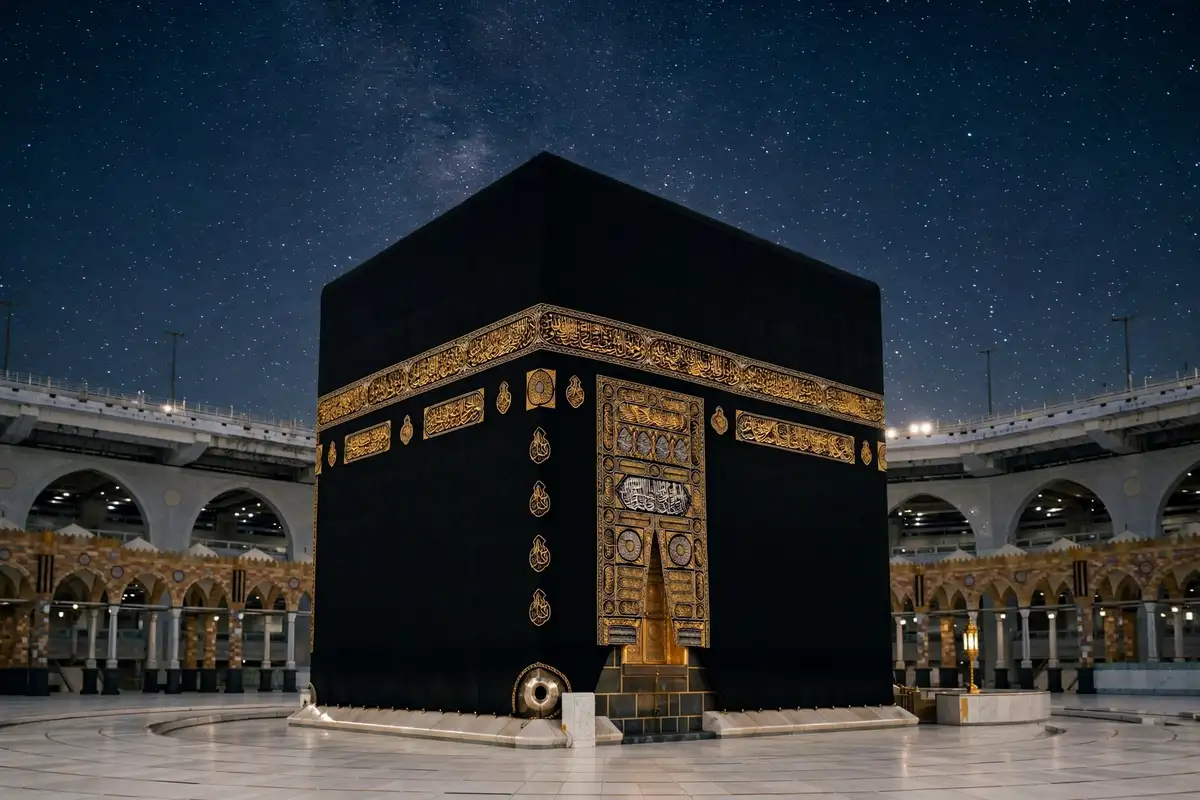
Umm Salamah reported, in Sunan Abu Dawud 4286, that the Prophet, peace be upon him, said: "Disagreement will occur at the death of a caliph and a man of the people of Medina will come flying forth to Mecca. Some of the people of Mecca will come to him, bring him out against his will and swear allegiance to him between the Corner and the Maqam..." The Corner is the Black Stone's corner of the Kaaba, and the Maqam is the Station of Ibrahim, so the pledge happens on the holiest ground on earth, in the open, before witnesses. The man flees Medina when the caliph dies and the people disagree, he hides in Mecca, and they find him anyway. There is no secrecy about the bay'ah, no back room. It happens at the Kaaba itself, which is why the army that marches to stop him, the one that sinks at Bayda, has such a clear target.
The 313 and the Crawl on Ice
The episode gives the number of those first pledgers as 313, the same number as the fighters of Badr, citing Al-Mustadrak of al-Hakim 8659 without claiming an authenticity grade. Whether or not that count holds, the meaning is plain: a small band, like the small band at Badr, standing for the whole community. Then comes the famous instruction. Thawban reported, in Sunan Ibn Majah 4084, that the Prophet, peace be upon him, said: "When you see them, then pledge your allegiance to them even if you have to crawl over the snow, for that is the caliph of Allah, Mahdi." Crawling over snow is the image of reaching him at any cost, through any hardship. The narration does not describe a comfortable pledge or a convenient one. It describes people crossing frozen ground on their hands and knees to reach the rightful caliph, because staying home would be the greater loss.
The Army That Sinks at Bayda
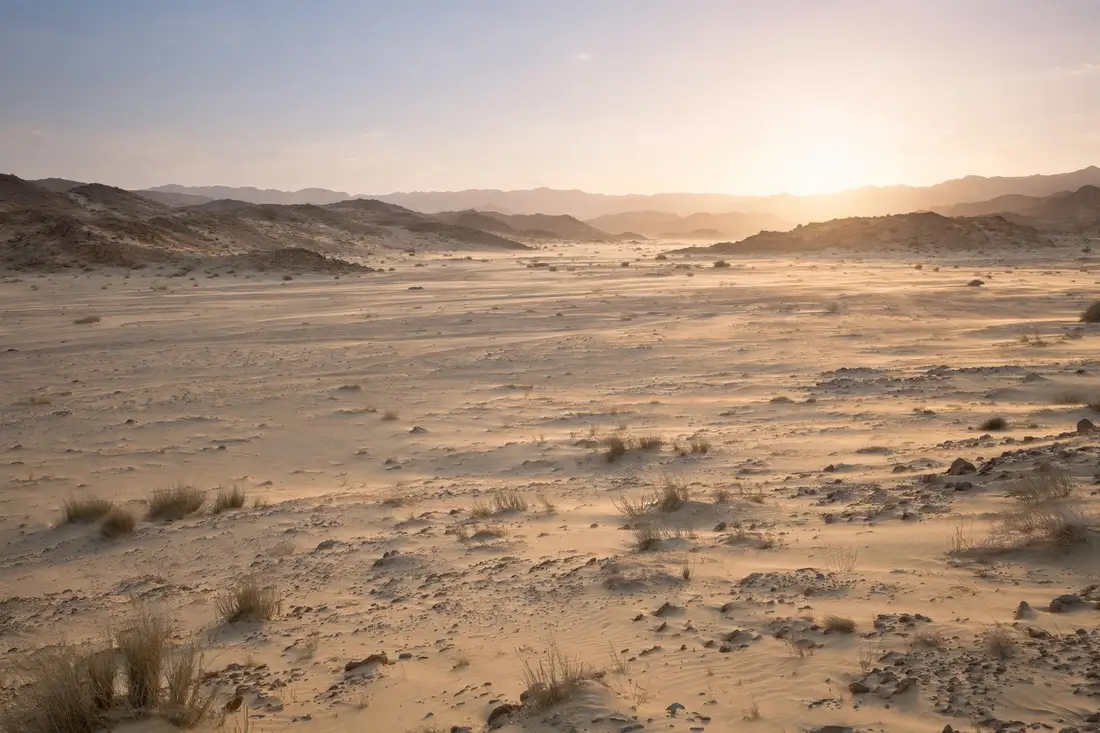
An army will march from Sham to crush the new pledge, and it will never arrive. Aisha reported, in Sahih Muslim 2884, that the Prophet, peace be upon him, said: "An army will invade the Ka'ba and when the invaders reach Al-Baida', all the ground will sink and swallow the whole army... they will be resurrected and judged according to their intentions." Umm Salamah reported, in Sunan Abu Dawud 4289, graded sahih: "They will all be swallowed up, but on the Day of Resurrection each one will be raised according to his intention." Bayda is a barren stretch of wilderness between Medina and Mecca, as the Mu'jam al-Buldan describes it and the episode repeats. The episode also cites the Kitab al-Fitan, without a grade, for the detail that a single survivor is left with his head turned backward, a walking warning of what the earth did to the rest.
Seven Years of Justice
The same Umm Salamah narration in Sunan Abu Dawud 4286 goes on: "...He will remain seven years, then die, and the Muslims will pray over him. Abu Dawud said: Some transmitted from Hisham 'nine years' and some 'seven years.'" The episode keeps both. Abu Sa'id al-Khudri reported, in Sunan Ibn Majah 4083, that the Prophet, peace be upon him, said: "The Mahdi will be among my nation. If he lives for a short period, it will be seven, and if he lives for a long period, it will be nine, during which my nation will enjoy a time of ease such as it has never enjoyed. The land will bring forth its yield... wealth at that time will be piled up. A man will stand up and say: 'O Mahdi, give me!' He will say: 'Take.'" The episode adds the treasurer telling him to take what he needs. Seven or nine, the ummah will know no years like them.
The Hidden Signs: The Ark of the Covenant
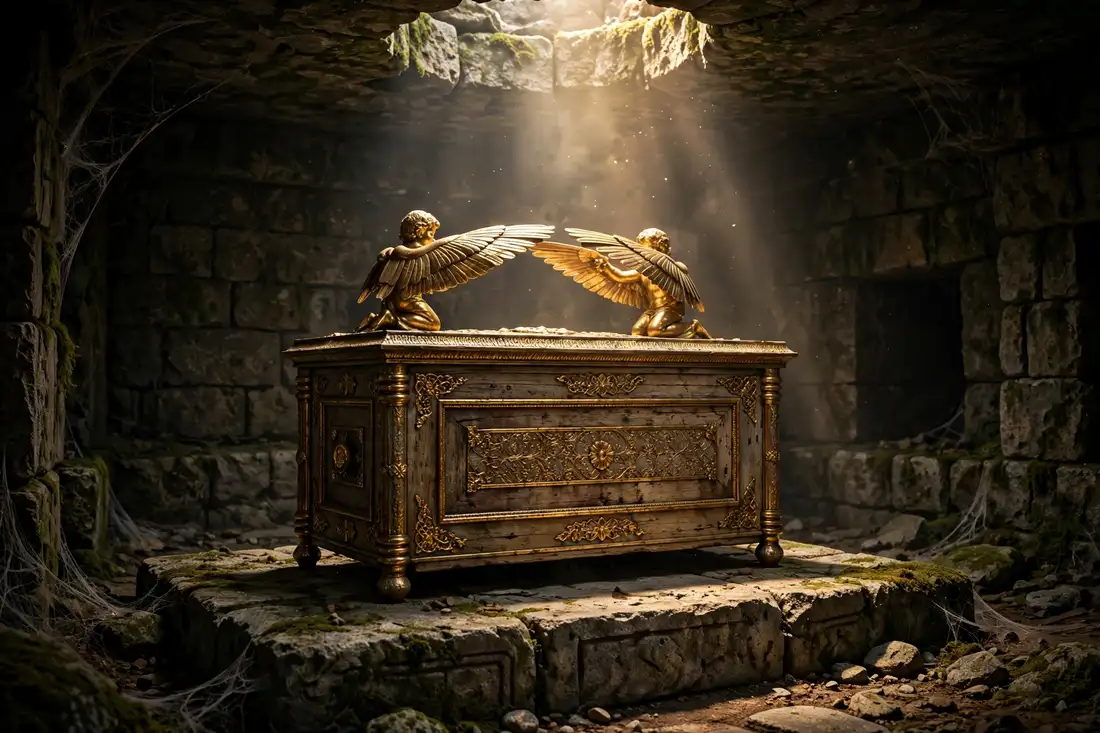
Then the episode turns to signs most listeners have never heard. It opens with the Quran itself, Surah al-Baqarah 2:248, in the Saheeh International translation: "And their prophet said to them, 'Indeed, a sign of his kingship is that the chest will come to you in which is assurance from your Lord and a remnant of what the family of Moses and the family of Aaron had left, carried by the angels. Indeed in that is a sign for you, if you are believers.'" That chest is the Ark of the Covenant, and the episode cites Kitab al-Fitan narration 994, without an authenticity grade, for the report that the Mahdi will recover it from the Lake of Tiberias. The rest is the episode's account, with no collections named, and it runs as follows.
- The stone tablets brought down from Syria's mountains.
- 30,000 Jews embracing Islam upon seeing the tablets.
- Jeremiah hiding the Ark from Nebuchadnezzar.
- Suleiman ibn Isa's report of these events.
The Lake of Tiberias Connection
Why the Lake of Tiberias? The episode points to a hadith verified in earlier research, Sahih Muslim 2942, the long narration of Tamim ad-Dari, in which the Dajjal asks his questioners about the lake: has its water dried up? The episode then offers its own reading, and it is labeled as such: perhaps the Dajjal watches that lake because he knows the Mahdi is connected to it, the same water from which the Ark will be recovered. I want to be careful here. Sahih Muslim 2942 is verified, but the link to the Mahdi is the episode's reading, not the hadith's text. Read that way, though, it is a striking thought. The Dajjal asks about the lake's water, and the Mahdi is the one who will draw the Ark from its depths. Two figures of the end times, circling the same lake from opposite sides, one watching and one recovering.
After the Mahdi: The Great Bloodshed
The Mahdi will die, the Muslims will pray over him, and the world will not stay just. The episode describes what comes next in bleak terms: killing returns, outsiders prevail, and wars follow one after another without end. Then comes what the narrations call Al-Malhama al-Kubra, the Great Bloodshed. The episode cites Ibn Masud's remark that the world has never seen such destruction, and it names no collection for it, so take it as the episode's reporting. This is where the second part of the series takes over, and the episode is careful not to fix dates or a calendar. The order is all it gives: the just rule, its end, the return of chaos, and then a bloodshed greater than anything before it. Seven years of justice are real in the narrations, but they are not the end of the story.
✅ Guide4U Islam Checklist
- His name: Muhammad ibn Abdullah, from Fatimah's line.
- Pledged between the Corner and the Maqam.
- The army at Bayda will sink whole.
- Judged by intention on the Last Day.
- Seven years of justice; some say nine.
- He never seeks the pledge; it is forced.
Key Takeaways
- The true Mahdi will not campaign for the pledge; he will flee it.
- Bayda's sinking army is the unmistakable sign that the pledge was real.
- Seven or nine years of justice will precede the final great bloodshed.
Frequently Asked Questions
How will we recognize the real Mahdi?
By the signs the narrations give: his name Muhammad ibn Abdullah, from the Prophet's family through Fatimah (Sunan Abu Dawud 4282 and 4284); his refusal of the pledge until compelled (Sunan Abu Dawud 4286); and the sinking of the army at Bayda (Sahih Muslim 2884). He will not campaign for the position or gather followers around a claim.
Why won't he seek leadership himself?
Because the narrations describe him fleeing it. Sunan Abu Dawud 4286 says the people of Mecca will bring him out against his will to the pledge between the Corner and the Maqam. His reluctance is part of his proof: the genuine Mahdi runs from leadership while impostors chase it.
What is the sign of the sinking army at Bayda?
An army marching from Sham to stop the Mahdi will be swallowed by the earth at Bayda, a barren wilderness between Medina and Mecca (Sahih Muslim 2884). Sunan Abu Dawud 4289 adds that each of them will be raised on the Day of Resurrection according to his intention.
How long will his rule last?
Seven years according to Sunan Abu Dawud 4286, though some transmissions say nine. Sunan Ibn Majah 4083 confirms the same range: seven for a short period, nine for a long one, years of ease and plenty the ummah has never known.