
The 30 False Dajjals: How History Itself Proved the Prophet ﷺ Right
Quick Answer
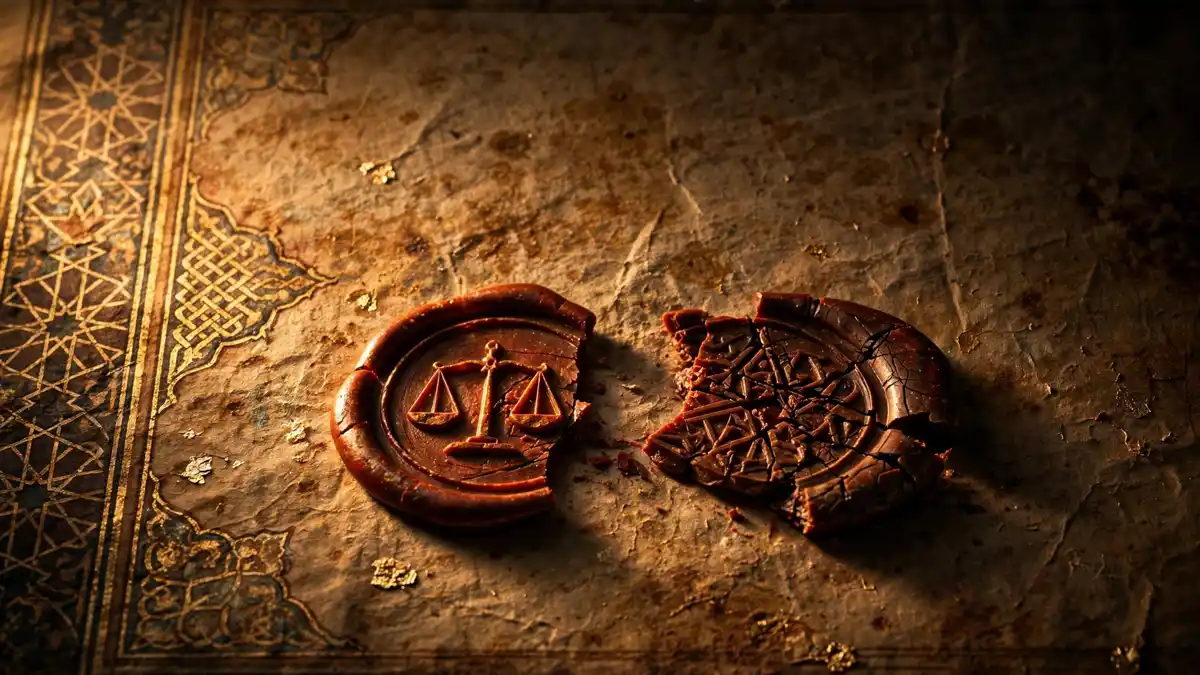
The Prophet ﷺ said thirty liars would each claim prophethood before the Hour (Sahih al-Bukhari 3609). History delivered: Musaylimah, Tulayhah, and Sajah rose in his own lifetime and collapsed, and scholars count twenty-four documented cases so far. Their failures are the proof — and the training — for the great Dajjal to come.
A Prophecy About Prophets
The Prophet Muhammad ﷺ once gave his followers a strange kind of countdown. The Hour, he said, will not arrive until thirty false dajjals have appeared — thirty liars, each of them imagining that he is a prophet of Allah, while the reality is that Muhammad is the Seal of the Prophets and no prophet comes after him (Sahih al-Bukhari 3609). Think about what that means. The end of the world has a quota — and the quota is made of impostors. For fourteen centuries, that number has hung in the air like a challenge to history. And here is the remarkable part: history took the challenge. The impostors came. They claimed revelation, gathered followers, and then collapsed — one after another, exactly as the prophecy described. This is the story of the thirty liars, and how their failures became one of the strongest proofs that the man who predicted them was telling the truth.
Why the Word 'Dajjal'
In Arabic, dajjal is not a random insult. It describes one who covers and mixes — a person who blends a little truth into a lot of falsehood so the mixture shines like the real thing. The great Dajjal of the End Times will do exactly that: he will copy the miracles of Prophet Isa, including raising the dead, to drag people into believing he is divine. Now look at the word the Prophet ﷺ chose for these smaller impostors. It is the same word. The choice was no accident. Each of the little dajjals, in his own small way, tried to copy the Prophet Muhammad ﷺ — his words, his miracles, his authority — just as the great one will try to copy Isa. The thirty were rehearsals. And the rehearsals kept failing.
The Liar of Yamama
The first of them did not even wait for the Prophet's ﷺ era to end. While the Prophet was still alive, a man named Musaylimah rose in Yamama, in the heart of Arabia, and declared himself a prophet. He did not hide his claim — he wrote to the Prophet himself, proposing, in effect, that prophethood be shared between them. The Prophet ﷺ answered and exposed him as a liar, in the light of the Quran. To this day he is known by the title his contemporaries gave him: Musaylimah al-Kadhdhab — Musaylimah the Liar. What happened next showed why that title stuck. When people from Yamama later came to Medina, after being promised forgiveness, they described the absurd revelations their leader had produced. The accounts were so strange that they survive in the history books to this day — preserved not as scripture, but as a warning.
When Amr ibn al-As Tested Him
One of the most telling scenes comes from Amr ibn al-As — the same Amr who later became a Companion, though this happened before his Islam, back when he still traveled Arabia as a merchant. He met Musaylimah, and the impostor asked him whether he knew any of the revelation that had come to Muhammad. Amr recited Surah Al-Asr: By time — indeed, mankind is in loss. Musaylimah thought for a while, then announced that he, too, received such speech — and produced a bizarre, incoherent line of his own. Amr looked at him and said it plainly: you know, and I know, that you are only talking nonsense. Where are your ignorant words, he asked — and where is that pure speech? The episode is recorded in detail by the tenth-century scholar Abu Bakr al-Baqillani in his book I'jaz al-Quran, on the inimitability of the Quran. It reads like a laboratory experiment: put real revelation next to imitation, and even a merchant can tell them apart.
Copying Miracles — and Failing
Musaylimah did not stop at words. When he heard that the Prophet's ﷺ blessed touch on children's heads filled their lives with blessing, he tried to copy the miracle on the spot. He placed his hand on a child's head — and instead of blessing, the poor child's whole head was scraped. The story is almost painful to read. It shows the exact pattern the Prophet ﷺ had named: the dajjal copies the form but cannot produce the reality. Al-Baqillani gathered these accounts — the fabricated verses, the failed imitations — and preserved them as evidence. Not evidence for Musaylimah. Evidence against him. Every attempt he made to look like a prophet only made him look more like what he was.
The Other Two of the Prophet's Own Era
Musaylimah was not alone, even then. In the closing days of the Prophet's ﷺ life, two more claimants rose — and both gathered large followings. Three false prophets, all at once, all while the true Prophet still walked the earth. Their endings came quickly. In the caliphate of Abu Bakr, an expedition was sent to Yamama, and it finished Musaylimah the Liar. The others met similar ends — their armies scattered, their revelations abandoned. Not one of them left behind anything that survived them. That, too, is part of the proof. True revelation outlives its bearer; falsehood dies with its author.
- Tulayhah al-Asadi, who raised his own tribe and marched his people toward open rebellion.
- Sajah bint al-Harith, a woman whose claim drew its own army of followers.
Ibn Sayyad: The Unresolved Episode
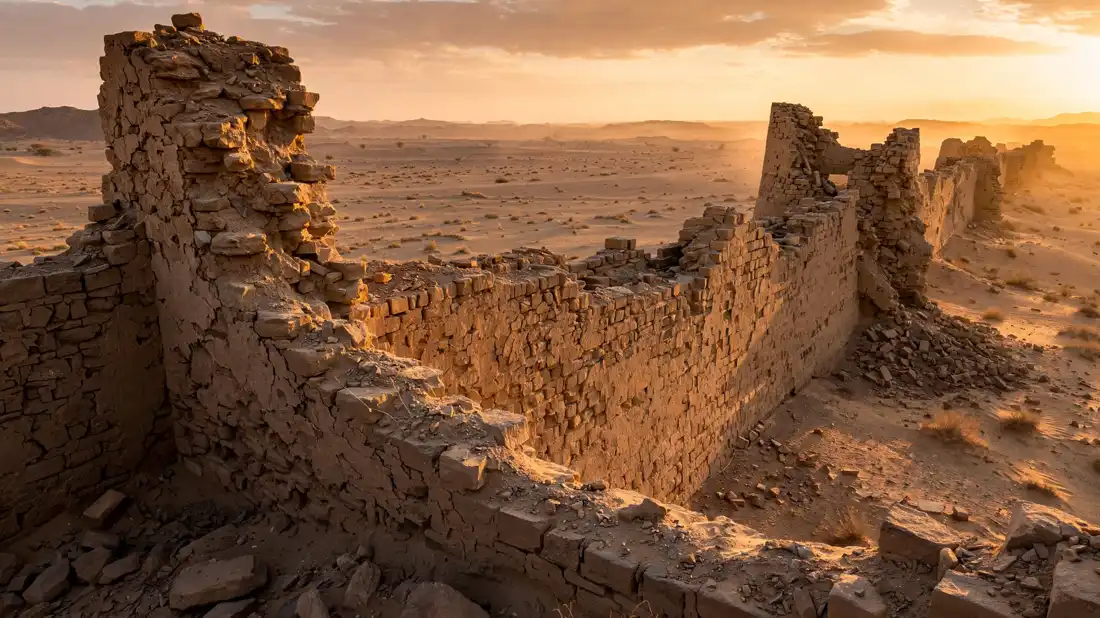
There is one case the early community itself could not settle — and honesty demands we leave it unsettled too. In Medina there lived a young man named Ibn Sayyad, about whom strange things were reported, and some of the Companions began to suspect he might be the Dajjal. The Prophet ﷺ did something remarkable: he went to investigate personally, questioning the young man himself and testing him. The reports of that investigation survive in Sahih Muslim. And the conclusion? There was none. The matter was left undecided — neither confirmed nor dismissed. Scholars have discussed it ever since, and the discussion itself is the point. The Companions did not rush to label a man the Dajjal, and neither should we. The Prophet's ﷺ own method was careful, evidence-based, and restrained. If the earliest generation left the question open, later generations have no business closing it on guesswork.
Twenty-Four Down, and Counting
Across the centuries, the pattern kept repeating. Claimants to prophethood appeared in Arabia, in Persia, in the far lands of the caliphates — men who announced revelation, drew crowds, and then vanished into the footnotes of history. Scholars who have studied these cases count twenty-four documented names among the lesser false dajjals so far. Twenty-four out of thirty. The count is not a game to be finished by the internet — it belongs to the knowledge of Allah. But notice what the number means. If a man predicted thirty impostors and twenty-four have already shown up and failed exactly as described, the remaining question is not whether the prophecy was true. It is when the count will close.
The Baghdad Lesson: How Not to Read the Signs
There is, however, a right way and a wrong way to use this knowledge — and Baghdad in 1258 shows the wrong way. When the Mongols swept in from the east, countless, fierce, speaking an unfamiliar tongue, the people of Baghdad — scholars among them — decided these invaders were Yajooj and Majooj. Imam Ibn Kathir records it in Al-Bidayah wan-Nihayah. The reasoning felt obvious. But once the city believed no power could face these Gog and Magog, half the Muslims' courage collapsed on its own. For five days the Mongols massacred without resistance; the Tigris ran red, then black. The rule that emerges is simple: never pin a prophecy onto the news. The signs are given so that faith is ready — not so that fear does the enemy's work for him.

Modern Dajjals: Fortune-Tellers and False Messiahs
The small dajjals did not stop with the caliphates. In our own time the pattern wears new clothes. Fortune-tellers and psychics claim hidden knowledge of the future. False messiahs and self-styled saviors gather followers online and off. And here and there, someone claims revelation or inspiration from Allah after Muhammad ﷺ. The test is simple, and it comes from the Quran itself. First, anyone claiming prophethood after him contradicts the Book, which names him the Seal of the Prophets (33:40). Second, wonders prove nothing — fortune-tellers guess, and liars perform. Third, compare the teaching to the Quran and the authentic Sunnah: truth agrees with them, falsehood fights them. The standard is not what a claimant can do. It is what Allah already said.
- Fortune-tellers and psychics who claim hidden knowledge of the future.
- False messiahs and self-styled saviors who gather followers online and off.
- Anyone who claims revelation or inspiration from Allah after Muhammad ﷺ.
Training for the Great One
And here is why the Prophet ﷺ told us about the small dajjals at all. They are training. Hudhayfah ibn al-Yaman, the Companion who made it his life's work to learn about the trials, taught a principle this whole subject rests on: only the one who knows these destructive trials in advance can hope to escape them. Every failed impostor of the last fourteen centuries has been a rehearsal — a chance for believers to practice the two skills the great trial will demand: holding firm to what Allah revealed, and refusing to follow a miracle-worker who contradicts it. The thirty liars came, as foretold. Their failure is our education. When the real test arrives, the students of history will be ready.
✅ Guide4U Islam Checklist
- Learn the hadith: thirty liars, each claiming prophethood.
- Know Musaylimah: the first, in the Prophet's own era.
- Test every claimant against the Seal of Prophets (33:40).
- Never label a living person as the Dajjal.
- Treat Ibn Sayyad's case as the scholars did: undecided.
- Read signs from Quran and hadith, not headlines.
- Hold firm: miracles without scripture prove nothing.
Key Takeaways
- The thirty liars were foretold in Sahih al-Bukhari 3609 — and history keeps confirming the count.
- Every false claimant copies the form of prophethood but fails the test of truth.
- Studying the small dajjals trains believers for the trial of the great one.
Frequently Asked Questions
Who was Musaylimah, and what happened to him?
Musaylimah al-Kadhdhab was a false claimant from Yamama who declared prophethood during the Prophet's ﷺ lifetime and even wrote to the Prophet ﷺ proposing to share it. The Prophet ﷺ exposed him as a liar. His fabricated verses were mocked even by the merchant Amr ibn al-As, and after the Prophet's ﷺ passing, Caliph Abu Bakr sent an expedition to Yamama that ended him. His followers scattered, and nothing of his revelation survived.
Was Ibn Sayyad the Dajjal?
We do not know. Some Companions suspected him, and the Prophet ﷺ investigated him personally — the reports survive in Sahih Muslim. But no ruling was given, and the matter was left undecided. Scholars have discussed it ever since. That restraint is itself a lesson: the early community did not label people on suspicion, and we should not either.
Have all thirty false dajjals appeared yet?
Scholars count twenty-four documented cases so far. The rest belong to Allah's knowledge. The count is a sign to watch, not a puzzle for the internet to finish — and certainly not permission to declare any living person one of them.
How can I tell a true teacher from a modern 'dajjal'?
Three tests. First, anyone claiming prophethood or new revelation after Muhammad ﷺ contradicts the Quran, which names him the Seal of the Prophets (33:40). Second, wonders prove nothing — fortune-tellers guess, and liars perform. Third, compare the teaching to the Quran and the authentic Sunnah: truth agrees with them; falsehood fights them.